We already know that drinking water helps relief bloating. Doctors, and nutritionists all agree that water is the cure-all for digestion problems. So, you diligently fill up your 40-ounce tumbler, start sipping, and wait to feel better.
So when you drink water, but instead of a improved digestion, you get the opposite. Your stomach distends, and you feel bloated. You can actually hear liquid splashing in your gut. This is called “water bloating”
Water is essential for life But drinking it incorrectly, or with an underlying gut disorder, can trigger significant bloating. This is often called “Water Bloating,” and it is more common than we think.
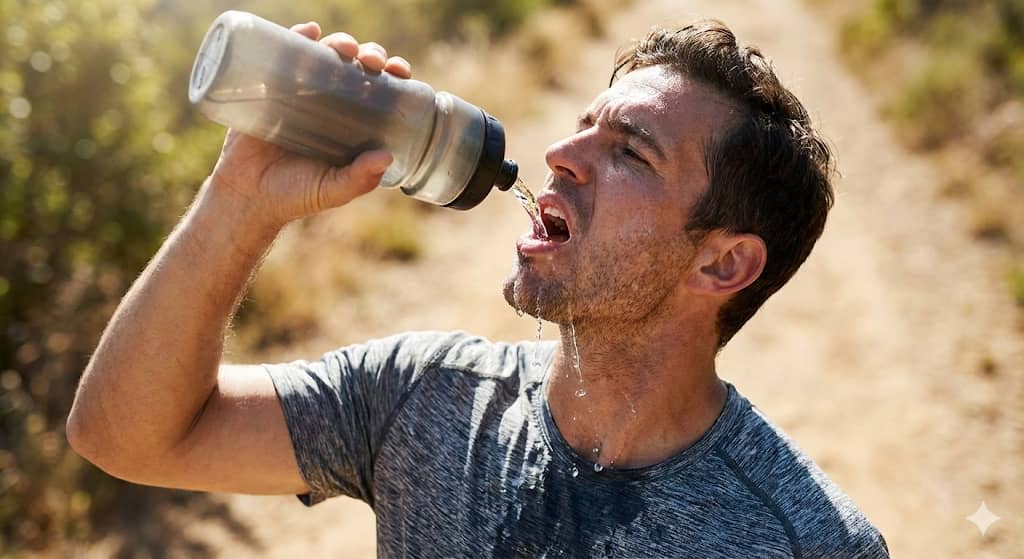
These are the main reasons for water bloating, and how to manage each:
1. Air Swallowing (Aerophagia)
The most common cause of water bloating has nothing to do with the water itself. It’s how you are drinking it. This condition is known medically as aerophagia (literally “swallowing air”).
When you drink water rapidly, especially when you are in hurry, you will gulp down air alongside the liquid. This air gets trapped in the stomach and small intestine. While the water is absorbed into your bloodstream or passed through to the kidneys, the gas remains trapped. This will cause immediate distension and discomfort.
Causes of Aerophagia:
- Rapid drinking or gulping: If you tip your head back and gulp large amounts of water, this prevents the glottis from closing properly between swallows. The result is allowing air to enter the esophagus (food pipe).
- Carbonation: Sparkling water (e.g. natural mineral water) is essentially water infused with carbon dioxide gas. If you are prone to bloating, this gas will cause immediate expansion of your stomach.
The to manage: Sip slowly rather than gulping. If you can hear yourself swallowing, you are likely swallowing air. Avoid sparkling water.
2. Drinking cold water causes water bloating
Your stomach is a temperature-sensitive organ. The optimal temperature for digestion is about 37°C (98.6°F).
In Traditional Chinese Medicine, ice-cold water is strictly forbidden. Science says: consuming large amounts of ice water can constrict the blood vessels in the stomach. This can inhibit the secretion of digestive enzymes.
Cold water can stimulate the Vagus Nerve in a way that slows down the heart rate and gastric emptying. If your stomach takes longer to empty the water into the small intestine, it causes uncomfortable sensation of fullness.
How to manage: Drink warm water, especially in the morning and during meals. Warm water acts as a vasodilator, opening up blood vessels and encouraging gut motility (movement).
3. Low Stomach Acid (Hypochlorhydria)
There is a misbelief that drinking water with meals dilutes stomach acid. For a healthy person, this isn’t true. The stomach can adapt effectively. However, for those with Hypochlorhydria (chronically low stomach acid), it is a very real problem.
Stomach acid (HCL) is required to break down proteins. It also triggers the valve at the bottom of the stomach (the pyloric sphincter) to open and let food pass. If you have low stomach acid and you drink 16 ounces of water during a meal, you raise the pH of the stomach content (means further low acidity).
This will make food and water stay longer in the stomach. The result is water bloating.
How to manage: Stop drinking large amounts of water 30 minutes before a meal. Wait 30 minutes after a meal to resume drinking. During the meal, limit yourself to a few small sips to help wash down food.
4. Slow Motility of the bowel
If you drink a glass of water on an empty stomach and feel bloated immediately, it might be due to Gastroparesis (delayed stomach emptying) or SIBO (Small Intestinal Bacterial Overgrowth).
- Gastroparesis: The muscles of the stomach are too weak to push the water through to the intestines efficiently. You feel full after just a few sips.
- SIBO: If you have an overgrowth of bacteria in your small intestine, those bacteria can ferment even the smallest traces of carbohydrates causing gas. It also can lead to visceral hypersensitivity reactions. This means that you feel bloated not because of gas, but because your nerves are overreacting to the sensation of fullness.
How to manage: If water bloating is accompanied by chronic constipation, reflux, or pain, this is a medical sign. In this case you may have Gastroparesis or SIBO. Treatment medical consultation.
General advice to avoid water bloating:
- Drink the majority of your water away from meals. The best time is immediately upon waking (after brushing your teeth) and mid-afternoon.
- Treat water like a hot tea—drink it slowly to avoid swallowing air.
- If you are prone to bloating, avoid ice. Stick to room temperature or warm ginger tea.


Pingback: Vagus Nerve Exercises for Bloating Relief: A Fast At-Home Guide - GutConsultant